
Why 3mm Birch Plywood is Essential for Laser Cutting Projects

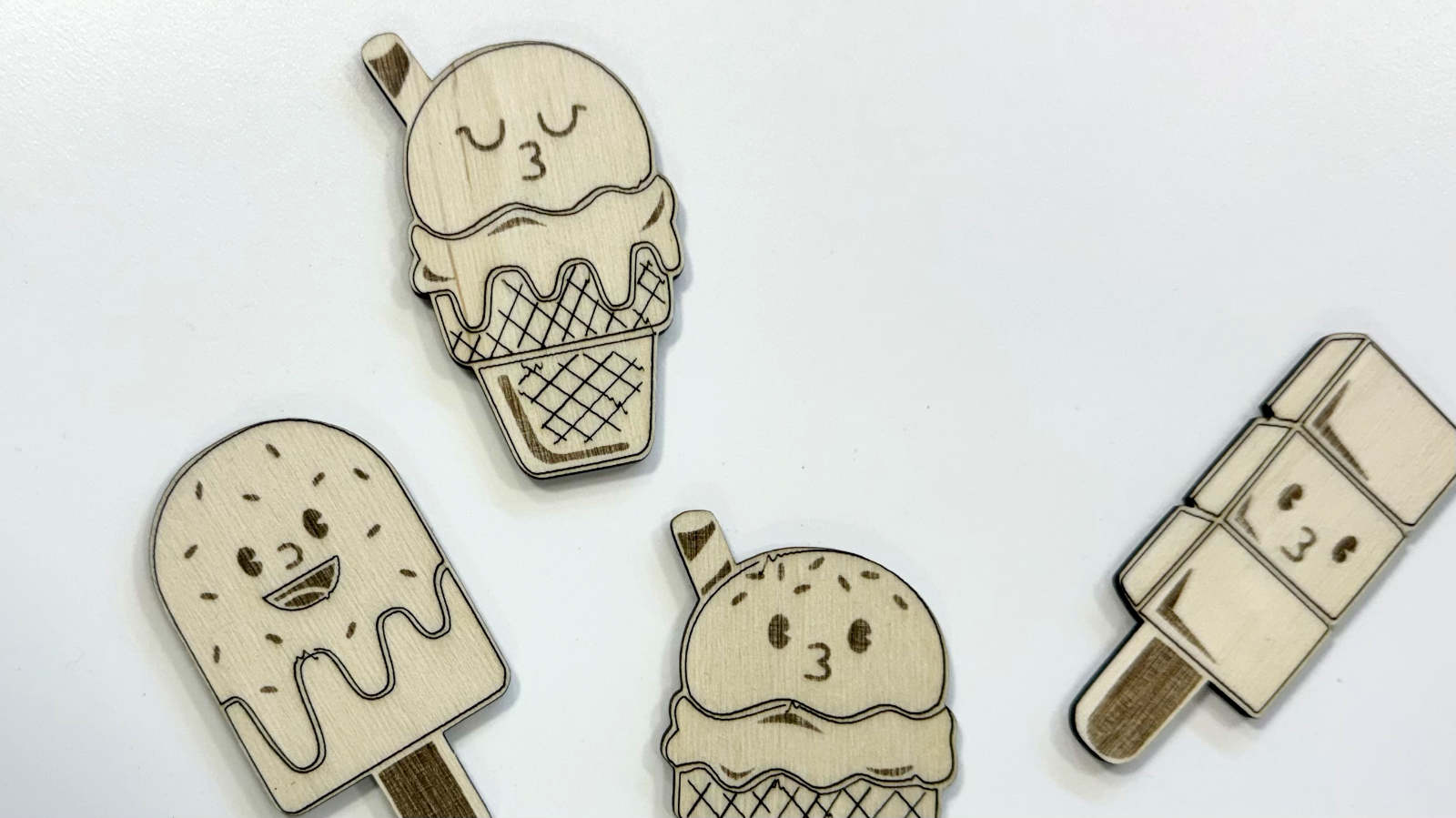
Laser cutting hobbyists and small businesses know that material choice can make or break a project. Among all laser cutting panels, 3mm birch plywood stands out. It combines strength, stability and a smooth finish, making it a reliable panel for laser cutting, suitable for everything from jewelry to signage. Unlike softer woods, birch offers uniform cuts and a professional appearance without breaking the budget.
Why glue matters in 3mm birch plywood
Not all plywoods are created equal. For laser cutting, the glue line is crucial. MR (moisture-resistant) or UF (urea-formaldehyde) glues are safe for indoor projects and ensure clean cuts. Phenolic glue, on the other hand, is much harder and can burn, producing more fumes and irregular edges: it should be avoided entirely if your main goal is laser cutting. Choosing the right adhesive helps avoid frustration and machine wear. Additionally, some glues generate more smoke than others, so always remember to clean the laser lens.
Here you can find our 3mm birch plywood.
Managing Wood Knots and Grain Direction
As birch plywood is a natural material, each sheet has its unique character. Small knots and slight imperfections are common within the layers. These spots are denser than the surrounding wood and can sometimes cause the laser to “flare” or leave darker marks along the cut. In thicker sheets (above 9mm), knots can even prevent a complete cut, requiring manual finishing. Internal knots are also common and cannot be avoided: they are part of the tree’s natural growth process. Air pockets around knots can cause irregular edges, but this too falls within the natural variability of plywood.
Besides knots, grain direction also affects the result. For more information on how it’s produced, check here. Most makers prefer to engrave with the grain arranged horizontally, as it offers the sharpest finish. Cutting or engraving against the grain is still possible, but you may notice slight differences in tone and line quality.
Understanding both knots and grain allows you to anticipate imperfections and adjust settings or design, achieving consistent and professional results.
Cutting Parameters for Hobby Laser Machines
Different machines require different settings. For 3mm birch plywood:
- Low-power desktop lasers: multiple passes at reduced speed
- Mid-range 40-60W CO₂ lasers: clean cut in a single pass
- High-power machines: higher speeds with minimal darkening
Always test a small piece before moving on to larger productions.
Panels from different manufacturers may react slightly differently. Use these values as a starting point and then optimize with small tests until you find the ideal setting for your machine.
Recommended parameters for 3mm birch plywood:
xTool P2 (55W CO₂): 25-30 mm/s at 65-75% power, single pass
K40 (40W CO₂): 12-15 mm/s at 70-80% power, usually 2 passes
Glowforge Basic (40W): 15-18 mm/s at 80-85% power, one pass with air assist
Glowforge Pro (45W): 20-22 mm/s at 80-85% power, one pass
OMTech 50-60W: 20-25 mm/s at 60-70% power, one clean pass
xTool D1 Pro (20W diode): multiple passes at 200 mm/min, 90-100% power
Best Practices for Clean Cuts on 3mm Birch Plywood
Use air assist to reduce burning
Apply masking on the bottom side up to 6mm to prevent burn marks
Lightly sand with fine grit to remove laser “whiskers”
Check for knots, which sometimes require manual finishing
Kontrasti Quality Terminology
At Kontrasti, birch panels are classified based on surface quality. BB/BB means that both faces allow small repairs and slight imperfections, still ensuring strength and good engraving performance. Sometimes customers expect perfect surfaces, but natural variations like small knots or slight undulations are part of the wood’s authenticity.
Conclusion
For hobbyists and entrepreneurs, 3mm birch plywood represents the ideal balance between quality, price and performance. By understanding glue types, optimizing laser settings and following proper cutting practices, you achieve professional results every time. Taking the time to set up your machine safely and choosing panels certified for laser cutting will protect both your projects and your equipment.
 Wood veneer


